
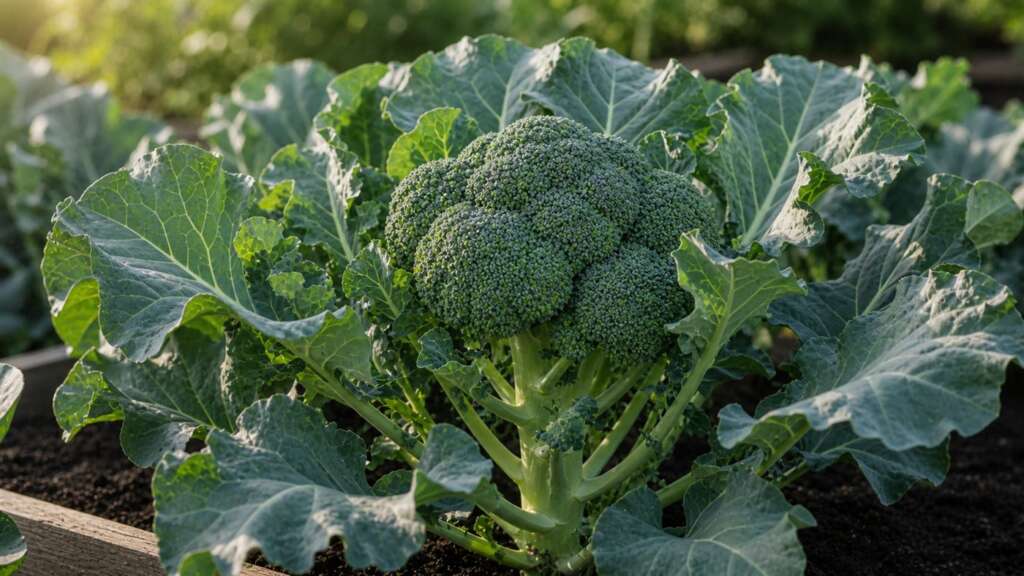
Waltham 29 is a classic heirloom broccoli developed in the cool, damp climate of New England and prized for cold tolerance, a compact main head, and a generous flush of side shoots after the center is cut. Like most broccoli, it is a cool-season crop that performs best when seedlings are started early, transplanted into settled cool weather, and grown steadily without heat shocks or drought.
Quick How-to
Start Waltham 29 Broccoli indoors about 5 to 7 weeks before transplanting, or direct sow in late summer for a fall crop. Sow about 1/4 inch deep, keep the mix evenly moist, and expect seedlings in roughly 5 to 10 days when soil is around 60 to 75 F. Transplant after hardening off, space plants 18 to 24 inches apart, and harvest the central head while the buds are still tight and deep green. After the main head is cut, keep watering and the plant will usually produce smaller side shoots for several more weeks.
Quick Guide
| Fact | Recommendation |
|---|---|
| Best method | Indoor start for spring crop; direct sow or transplant for fall crop |
| Sowing depth | About 1/4 inch |
| Germination temperature | About 60 to 75 F; broccoli will sprout in cooler soil but more slowly |
| Days to germination | About 5 to 10 days under steady warmth |
| Light for germination | Cover seed lightly; strong overhead light needed as soon as seedlings emerge |
| Spacing | About 18 to 24 inches between plants in rows 24 to 36 inches apart |
| Sun | Full sun in cool weather; partial afternoon shade can help late spring or fall plantings |
| Water | Even moisture; brassicas resent dry-wet swings |
| Days to harvest | About 70 to 85 days from transplant, with fall crops often developing more slowly |
| Plant size | Typically about 18 to 24 inches tall and wide with a 4 to 8 inch central head |
Before You Sow
Broccoli is a heavy, steady feeder that rewards good preparation. A few weeks before planting, work two to three inches of finished compost into the bed and check that drainage is good; brassicas in compacted, soggy soil are slow to size up and more vulnerable to root problems. A near-neutral pH around 6.5 to 7.0 helps reduce the risk of clubroot and supports steady nutrient uptake.
Plan around your frost dates rather than the calendar. For a spring crop, work backward from your last frost date so transplants are ready to move out two to four weeks before that frost, while nights are still cool. For a fall crop, count back from your first fall frost using the variety’s days-to-maturity, then add two to three weeks of cushion to account for shorter, cooler days as the season winds down. Fall plantings often produce the best heads because they finish into cooling weather rather than racing the heat.
If flea beetles, cabbage worms, or cabbage loopers have been a problem in your garden, plan now to cover plants with insect netting or lightweight row cover from the day you set transplants out. Protection at the start is much easier than chasing pests later.
Indoor Starting
Indoor starting is the most reliable way to grow a spring crop of Waltham 29. Sow about 1/4 inch deep into pre-moistened seed-starting mix in individual cells or small pots. Cover lightly, firm gently for good seed-to-soil contact, and keep the mix evenly moist, like a wrung-out sponge.
Broccoli does not need much warmth to germinate. Room temperature is usually plenty, and a heat mat can speed things up but should be removed as soon as the first sprouts appear. The bigger requirement comes the moment seedlings emerge: they need strong, direct overhead light for long days, ideally from a shop light or LED set close to the canopy. A bright windowsill alone often produces stretched, floppy seedlings.
Once true leaves appear, thin to one strong plant per cell by snipping extras at the soil line rather than pulling them, which avoids disturbing the keeper’s roots. Keep seedlings on the cool side, around 60 to 65 F if you can manage it, so they stay short and sturdy rather than leggy. Pot up if roots start circling the cell before transplant weather arrives.
Direct Sowing
Direct sowing works best for fall crops, when summer-warmed soil supports quick germination and the plants finish into cool weather. Sow seed 1/4 inch deep, about an inch apart, in a well-prepared row. Keep the seedbed consistently moist; a thin layer of fine compost or a board laid over the row until sprouts appear can help prevent the surface from crusting during hot weather.
Thin in two passes. When seedlings have a couple of true leaves, thin to about 6 inches apart. Once plants are clearly establishing, thin to the final spacing of 18 to 24 inches. The thinnings are edible and make a good small salad green.
Hardening Off and Transplanting
Harden off seedlings over 7 to 10 days before planting out. Start with an hour or two of sheltered shade, then gradually increase sun, breeze, and time outdoors. Skipping this step is one of the most common reasons strong-looking indoor seedlings stall after transplanting.
Transplant on a cloudy day or in the evening when possible. Set plants slightly deeper than they grew in the cell, firm the soil, and water in thoroughly. Space plants 18 to 24 inches apart in rows 24 to 36 inches apart; tighter spacing produces smaller central heads, while wider spacing gives larger heads and more side shoots. A light mulch of straw or shredded leaves added after the soil has warmed helps keep moisture steady and roots cool.
If a late frost is forecast, broccoli transplants will usually shrug off a light freeze once hardened, but a row cover gives extra insurance during the first week or two outdoors.
Soil, Sun, and Water
Give Waltham 29 full sun during the cool months and consistent moisture from transplant through harvest. About an inch of water per week is a useful baseline, more in heat or sandy soil. Drip irrigation or careful soil-level watering is preferable to overhead spraying, which can encourage leaf disease and wash pollen-feeding beneficial insects off neighboring crops.
Brassicas appreciate steady nitrogen during their leafy growth phase. A side-dressing of compost or a balanced organic fertilizer about three weeks after transplant supports good frame-building. Ease off heavy nitrogen as heads begin to form so the plant puts energy into tight, dense buds rather than oversized leaves.
Top Mistakes
- Transplanting into hot weather: Broccoli set out too late in spring often produces small, loose heads or bolts straight to flower. Aim to have transplants in the ground while nights are still cool.
- Letting plants dry out during heading: A dry stretch right as heads are forming can cause loose, uneven buds or bitter flavor. Mulch and water consistently once heads start to size up.
- Skipping pest protection at transplant: Flea beetles, cabbage worms, and loopers can move in quickly. Floating row cover or insect netting from day one usually saves a lot of trouble.
- Waiting too long to harvest: The most common harvest mistake is leaving the central head on the plant hoping it will get bigger. Cut while buds are tight; once you see yellow petals, quality drops fast.
- Cutting too low after main harvest: Removing the central head with a short stub and leaving the rest of the plant intact gives you weeks of side-shoot harvest. Pulling the whole plant ends production early.
Troubleshooting by Symptom
| Symptom | Likely causes | What to do next |
|---|---|---|
| No sprouts after 10 to 14 days | Seed buried too deep, soil too cold, dry pockets in the mix, or seed exposed to heat in storage | Resow 1/4 inch deep, keep the surface evenly moist, and confirm soil is at least in the 60s F |
| Tall, pale, floppy seedlings | Not enough light, too much warmth indoors, or crowded cells | Move lights within a few inches of the canopy, thin to one plant per cell, and keep seedlings cooler |
| Holes in leaves or seedlings disappearing overnight | Flea beetles, cabbage worms, cabbage loopers, or slugs | Cover with insect netting or row cover, handpick caterpillars, and use beer traps or iron-phosphate bait for slugs |
| Plants bolt or form tiny, loose heads | Heat stress, transplant shock, drought, or late spring planting | Mulch to cool roots, water deeply and consistently, and plan a fall crop where spring runs short |
| Yellow flowers opening in the head | Head is past peak harvest stage | Cut immediately and use; flavor remains acceptable for a short window but declines quickly |
| Purple cast on leaves in cool weather | Cold-induced phosphorus uptake stress, often cosmetic | Wait for warmer days; if persistent, check soil fertility and pH at season’s end |
| Wilting on warm days despite moist soil | Root disturbance, clubroot, or cabbage root maggot pressure | Inspect roots; rotate brassicas to a new bed next year and confirm soil pH is near 6.5 to 7.0 |
| Hollow stem inside the central head | Rapid growth from heavy nitrogen and warm weather | Reduce nitrogen as heads begin to form and aim for steady, not pushed, growth |
Harvest and Side Shoots
Cut the central head when the buds are tight, dome-shaped, and deep blue-green, with the head feeling firm. The first yellow petals are a sign you waited a little too long, though the head is still edible. Cut at a slant about 5 to 6 inches below the head, leaving as much of the plant intact as possible.
After the main harvest, keep watering and feeding. Waltham 29 is appreciated for producing smaller secondary florets at leaf axils for several more weeks, sometimes well into cool fall weather. Pick these regularly to keep the plant producing. In a generous fall season, side-shoot harvest can rival the central head in total volume.
Broccoli holds well in the refrigerator for a week or two in a loose bag and freezes nicely after a short blanch.
Seed Saving
Saving true-to-type broccoli seed is an advanced project. Broccoli is biennial, requires a cold period (vernalization) to flower, and cross-pollinates freely with other Brassica oleracea crops such as cabbage, cauliflower, kale, kohlrabi, Brussels sprouts, and collards growing nearby or in neighboring gardens. Maintaining variety purity typically requires significant isolation distance, multiple plants for genetic diversity, and overwintering protection in colder zones.
For most home gardeners, the practical choice is to grow Waltham 29 as a productive annual crop rather than manage the overwintering and isolation required for controlled seed production.
Storing Leftover Seed
Keep unused Waltham 29 Broccoli seed in its labeled packet inside a sealed container in a cool, dry, dark indoor location. Avoid garages, sheds, greenhouses, and sunny windowsills, where temperature and humidity swing sharply. Label home-saved seed with the variety and harvest year before storing it.
FAQ
Should I start Waltham 29 indoors or direct sow?
For a spring crop, indoor starting is far more reliable because it gets seedlings to a good size before warm weather arrives. For a fall crop, either approach works well; direct sowing in late summer can be especially convenient.
How big should the central head get?
A well-grown Waltham 29 typically produces a central head around 4 to 8 inches across, depending on spacing, fertility, and weather. Tighter spacing yields smaller heads but more total plants per bed.
Why is my broccoli flowering so quickly?
Premature flowering, often called bolting or buttoning, usually comes from heat or stress. Common triggers are transplanting into warm weather, drought during heading, or seedlings that were held too long in small cells.
Can I grow Waltham 29 in a container?
Yes, with a few caveats. Choose a container of at least 3 to 5 gallons per plant, use a good potting mix, and water more carefully than you would in the ground. One plant per pot is usually best.
Will broccoli handle frost?
Hardened broccoli plants tolerate light frosts well and often taste sweeter after cool nights. A hard freeze can damage open buds, so cover late-fall plants if a deep freeze is forecast.