
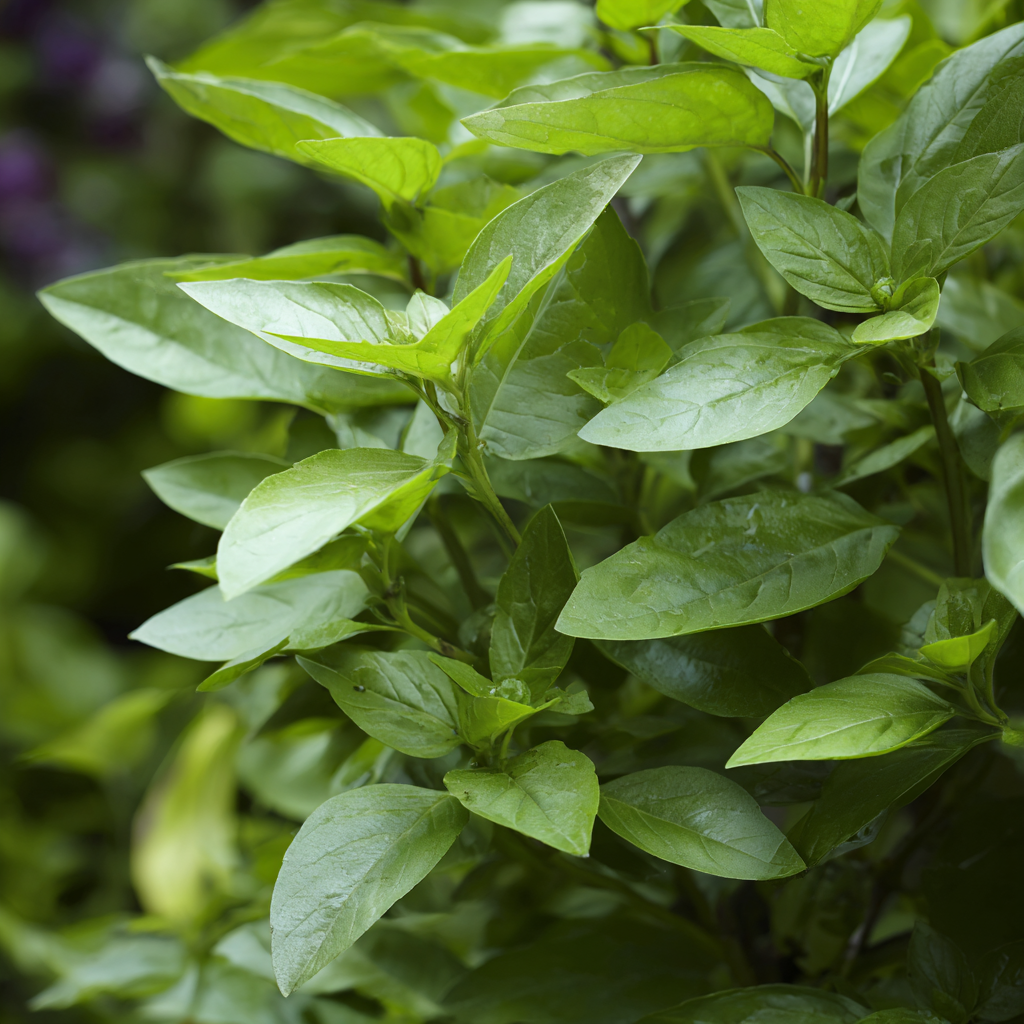
Lemon Basil is the bright, citrus-scented basil prized in Thai, Lao, Indonesian, and broader Southeast Asian cooking. It is lighter and more lemony in character than standard sweet basil, with a fragrance that is genuinely citrus-forward rather than merely basil-adjacent. In Thai and Lao kitchens it appears in soups, noodle dishes, and curries. In Indonesia it is sometimes eaten fresh as a vegetable alongside meals. For gardeners, it is simply a beautiful warm-season annual with a scent that rewards growing.
A note on botanical naming: the accepted name for the commonly cultivated hybrid lemon basil is Ocimum x africanum, a cross between O. americanum and O. basilicum. O. americanum is a distinct species, not another interchangeable name for the hybrid, and “hoary basil,” “Thai lemon basil,” and “Lao basil” are used inconsistently in seed and culinary markets. This guide is for the lemon-scented O. x africanum type. A plant sold under a different botanical species may have a different habit even when its common name sounds similar.
Quick How-to
Start Lemon Basil seeds indoors 4 to 6 weeks before the last frost, or direct sow into warm soil (at least 65 F) after frost risk has passed. Sow about 1/4 inch deep, keep soil warm (70 to 85 F), and expect germination in 7 to 14 days. Transplant after hardening off once nighttime temperatures are reliably above 50 F. Pinch flower buds regularly to extend the leaf-harvest period and maintain the best citrus fragrance and flavor.
Quick Guide
| Fact | Recommendation |
|---|---|
| Best method | Indoor start 4 to 6 weeks before last frost; direct sow in warm soil |
| Sowing depth | About 1/4 inch |
| Germination temperature | 70 to 85 F; cooler temperatures significantly delay germination |
| Days to germination | 7 to 14 days in warm conditions |
| Light for germination | Cover seed; move into strong light as soon as seedlings emerge |
| Spacing | 12 to 18 inches apart; plant is somewhat more open than compact basil types |
| Sun | Full sun; 6 to 8 hours minimum |
| Water | Consistently moist but well-drained; avoid waterlogged roots |
| Harvest timing | Begin harvesting once plant has 4 to 6 sets of leaves; harvest regularly through summer |
| Plant size | 18 to 24 inches tall in most growing conditions |
About Lemon Basil’s Botanical Name
Kew’s Plants of the World Online accepts Ocimum x africanum as the hybrid of O. americanum and O. basilicum. Older references may print Ocimum africanum without the hybrid mark or use the synonym O. x citriodorum. Those names can refer to the cultivated lemon-basil hybrid. By contrast, O. americanum is its own accepted species, and “hoary basil” is commonly applied to that separate species. Common names vary by region, so the botanical name is the most dependable way to distinguish seed lots.
The sowing and care instructions below suit the warm-season lemon-basil hybrid sold for its citrus-scented leaves. They should not be used to claim that every plant marketed as Lao basil, Thai lemon basil, or hoary basil is botanically identical.
Before You Sow
Lemon Basil shares the cold-sensitivity of all its basil relatives. Do not attempt to sow outdoors until soil is genuinely warm and nighttime temperatures are reliably above 50 F. A late-season cold snap can damage or kill young transplants. Plan around your last frost date and the warmth trajectory of your spring.
Choose a sunny spot with well-drained soil. Lemon basil grows moderately large compared with compact basil types — allow 12 to 18 inches between plants for good airflow and leaf production.
Indoor Starting
Fill clean cells or small pots with moist seed-starting mix. Sow seeds about 1/4 inch deep, one or two per cell. Cover and place in a warm location — 70 to 85 F soil temperature gives the best germination results. A heat mat under the tray is helpful, especially in early spring when indoor temperatures may be lower than ideal. Use a humidity dome until seedlings emerge, then remove it for airflow.
Move seedlings into strong light immediately upon germination. Basil seedlings in weak indoor light become pale and stretched, making for less vigorous transplants. Grow lights positioned 4 to 6 inches above the trays for 14 to 16 hours per day produce compact, sturdy plants.
Thin to one seedling per cell. Harden off for 5 to 7 days before transplanting outdoors once all frost risk has passed.
Direct Sowing
Once soil has warmed and night temperatures are reliable, direct sow seeds about 1/4 inch deep in a prepared bed. Sow thinly and keep the surface evenly moist. In warm soil (70 F or above), germination is typically faster and more even than in cooler conditions. Thin to 12 to 18 inches apart once seedlings are 3 to 4 inches tall.
Soil, Sun, and Water
Lemon Basil needs full sun for the strongest growth and the most intense lemon fragrance. In partial shade, plants become taller and more open, with less aromatic leaf production. The distinctive citrus scent — from linalool and other volatile compounds — is more pronounced in plants grown in full sun with good warmth.
Soil should be moderately fertile, loose, and well-drained. Basil does not tolerate waterlogged conditions; root rot can develop quickly in heavy, wet soil. A loamy, compost-enriched bed with good drainage is ideal. Container growing works well with a quality draining potting mix.
Water at the base of the plant. Overhead watering combined with warm, humid conditions can encourage fungal issues on basil foliage. Allow the top inch of soil to dry slightly between waterings, but do not allow plants to wilt — drought stress reduces leaf production and speeds flowering.
Pinching Flowers
Lemon Basil flowers more freely than some compact basil types. When flower spikes begin to form at the tops of stems, pinch them off promptly. Flowering redirects the plant’s energy from leaf production to seed development, reduces the lemon fragrance in the remaining leaves, and shortens the useful harvest season. Regular pinching of flower buds as they appear can extend the productive season by weeks.
If you want to save seed, allow a few selected stems to go to full flower and seed development at the end of the season while continuing to harvest the rest of the plant.
Hydroponic Growing
Lemon Basil grows well hydroponically when warmth, light, and airflow are steady. Its narrower leaves and upright branching stay manageable, while frequent harvest preserves the strongest citrus aroma. NFT, deep-water culture, and stable passive systems can all support it when warm roots and strong light are maintained. Start seed in a clean inert plug and transfer once roots reach the outside and the seedling has two sets of true leaves. Keep the plug moist but leave the stem base above the solution so the crown does not remain waterlogged.
Use a complete hydroponic nutrient formulated for herbs or leafy crops. Basil performs well around EC 1.0 to 1.6 mS/cm and pH 5.5 to 6.0. Check EC before pH, top up with plain water as plants drink, and refresh the reservoir on a regular schedule. Basil dislikes a cold root zone: hold the solution near the upper 60s to low 70s F when possible, while keeping it shaded and well aerated.
Space plants 7 to 9 inches apart and pinch above leaf pairs before flower spikes form. Harvest whole tips rather than stripping every leaf from a stem, which leaves active nodes for regrowth. Provide strong overhead light and gentle air movement. A stretched plant with long gaps between leaves needs more light; pale new growth can come from pH drift rather than a shortage of fertilizer. Do not respond by sharply increasing nutrient strength until both pH and EC have been checked.
A fading lemon aroma commonly means the plant is flowering, underlit, or being held too long. Remove buds and renew older plants from fresh plugs when stems become woody. Healthy roots are light colored and smell fresh. Dark, slippery roots, sudden wilt in a full reservoir, or a sour smell call for cooler water, more oxygen, and a clean system. Remove flower buds promptly unless seed is the goal, because flowering shifts energy away from tender leaf production and changes flavor.
Top Mistakes
- Exposing plants to cold at any stage: Lemon Basil, like all basils, is acutely sensitive to cold temperatures. Temperatures below 50 F cause leaf blackening, wilting, and permanent stress that plants rarely recover from fully. Wait for genuinely warm conditions before transplanting or direct sowing.
- Allowing all plants to flower simultaneously: When Lemon Basil flowers heavily, leaf flavor and production both drop. Systematic pinching of flower buds — removing them as soon as they form — is the most important practice for maintaining a productive plant.
- Overhead watering in warm, humid weather: Wet foliage in humid conditions invites fungal spots and Fusarium issues. Water at the base of the plant whenever possible.
- Crowding plants: Lemon Basil grows more openly than compact basil types and benefits from 12 to 18 inches of spacing. Crowded plants have reduced airflow, which increases disease risk and reduces leaf quality.
Troubleshooting by Symptom
| Symptom | Likely causes | What to do next |
|---|---|---|
| No sprouts after 14 days | Soil too cool, seed buried too deep, or excessive moisture | Confirm warm soil (70 F minimum); check sowing depth at 1/4 inch; reduce watering to moist not saturated |
| Seedlings are pale and elongated | Insufficient light or overly warm without adequate light | Move under grow lights or into direct sun immediately; thin if plants are crowded |
| Leaves turn black or develop dark spots at edges | Cold damage or cold water exposure | Remove damaged leaves; protect from any cold exposure; water only with room-temperature water |
| Loss of lemon fragrance in leaves | Plant flowering or stressed by drought, heat, or root issues | Pinch all flower spikes; water consistently; check root health if watering is adequate |
| Sudden wilting despite moist soil | Fusarium wilt or root rot | Check roots; healthy roots are white and firm, not dark and mushy; Fusarium wilted plants should be removed |
| Leaves develop small brown spots | Fungal leaf spot from wet conditions or overcrowding | Improve airflow, remove affected leaves, water at soil level, and avoid overhead irrigation |
Harvest and Use
Begin harvesting Lemon Basil once plants have 4 to 6 sets of leaves. Cut stem tips 3 to 4 inches long, just above a leaf node. This encourages the plant to branch and produce new growth. Harvest regularly — every week to 10 days in active growing conditions — to maintain leaf production and discourage flowering.
In the kitchen, Lemon Basil is used in Thai soups and curries, with rice dishes, in Indonesian preparations eaten fresh, and anywhere a citrus-basil note is wanted. The leaves are more delicate than standard sweet basil and work well added fresh at the end of cooking to preserve the lemon character. Whole leaves can also be used as a garnish or added to fruit salads and desserts.
Use fresh harvested leaves immediately for the best citrus fragrance; the volatile oils diminish quickly after cutting. Short-term storage in a glass of water at room temperature (not refrigerated) preserves freshness for a day or two.
Seed Saving
Lemon Basil is insect-pollinated and can exchange pollen with compatible nearby basils, including O. basilicum types. For the best chance of seed resembling the parent, let only one compatible basil selection flower at a time or isolate and hand-pollinate selected flower clusters. Allow chosen seed stems to turn brown and dry on the plant, collect them before they shatter, finish drying indoors on a screen, and label the seed with the botanical name and year.
Storing Leftover Seed
Keep unused Lemon Basil seed in its labeled packet inside a sealed container in a cool, dry, dark indoor location. Avoid garages, sheds, greenhouses, and sunny windowsills, where temperature and humidity swing sharply. Label home-saved seed with the variety and harvest year before storing it.
FAQ
What does Lemon Basil taste like compared to Genovese basil?
Lemon Basil has a distinctly citrus-forward scent and flavor — lighter, brighter, and more lemony than the rich, clove-accented sweetness of Genovese basil. The two are in the same species group (Ocimum) but offer clearly different culinary characters.
Why are there so many different botanical names for Lemon Basil?
The cultivated lemon-basil hybrid has accumulated several names over time. Kew accepts Ocimum x africanum and records it as a hybrid of O. americanum and O. basilicum; O. x citriodorum is an older synonym. O. americanum itself remains a separate accepted species. That distinction is why a botanical name is more informative than a regional common name when you are comparing seed.
Can I grow Lemon Basil alongside other basil types?
Yes — they grow together well in the garden and will not affect each other’s leaf flavor during the season. However, they will cross-pollinate when flowering, so if you want to save true-to-type seed from either, grow only one type to flower at a time.
Does Lemon Basil work as a houseplant?
Yes, in strong light conditions. A south-facing window with direct sun for 6 or more hours per day sustains indoor Lemon Basil in warm months. In winter, reduced light levels require supplemental grow lighting for productive leaf growth. Keep away from cold drafts.