
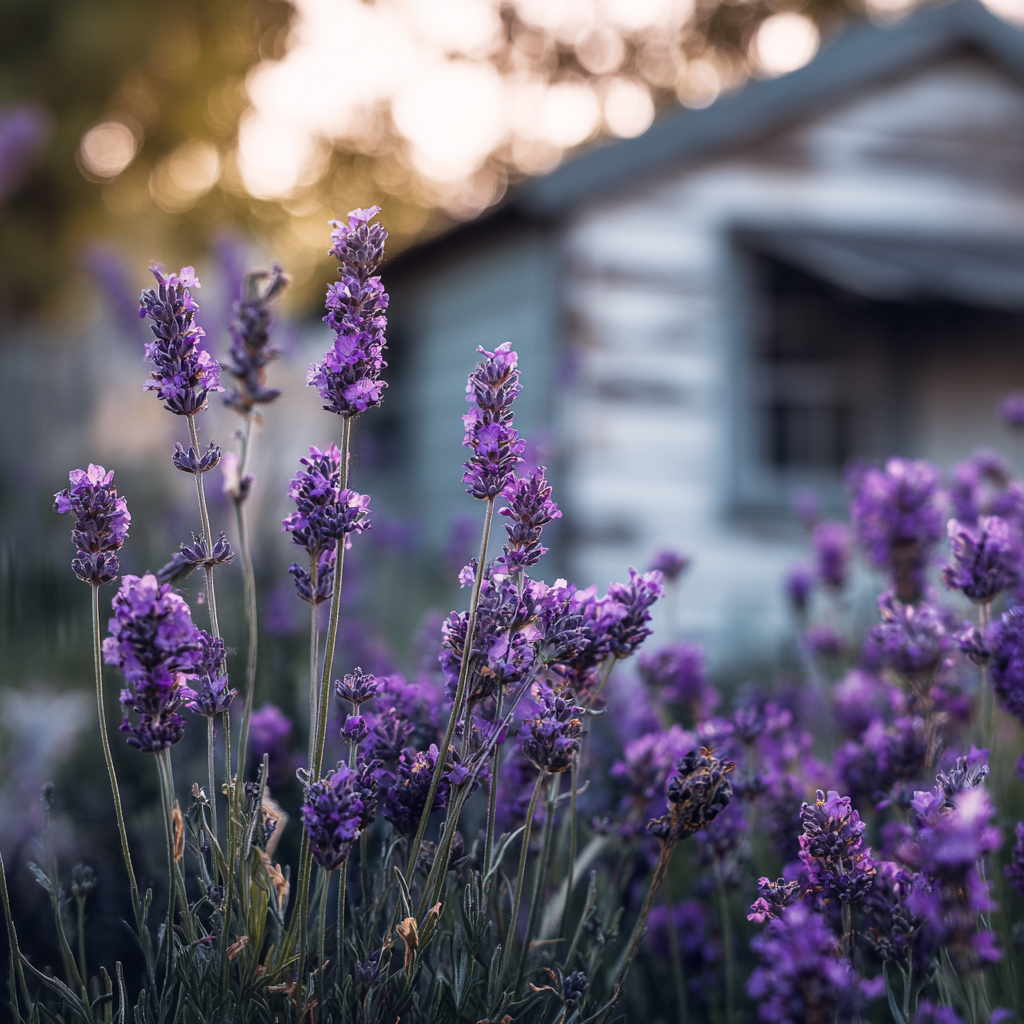
Lavender Vera (Lavandula angustifolia) is the classic English lavender: a hardy, fragrant, silver-leaved perennial subshrub used in gardens, dried arrangements, pollinator plantings, and culinary preparations. Growing lavender from seed is rewarding but slow. Untreated seed can germinate without pretreatment, while a short cold-moist prechill may improve speed or uniformity in a slow sowing. Germination is often staggered, and plants commonly reserve their strongest bloom for the second growing season. Once established in full sun and sharply drained soil, lavender can live for years.
This guide walks through the honest process, from stratification through establishment, so you know what to expect at each stage.
Quick How-to
Surface-sow fresh Lavender Vera seed on moist, well-drained seed-starting mix and press it into contact without burying it. Keep the tray in bright light at about 65 to 72 F and expect staggered emergence, often beginning in 14 to 28 days but sometimes continuing for 4 to 6 weeks. If an untreated lot has been slow or uneven, a 2- to 4-week cold-moist prechill in the refrigerator is a useful optional second approach. Harden seedlings gradually, transplant into lean, sharply drained soil in full sun, and expect the strongest flowering from the second season onward.
Quick Guide
| Fact | Recommendation |
|---|---|
| Best method | Surface sow indoors in bright light; use an optional cold-moist prechill for a slow lot |
| Cold stratification | Optional, usually 2 to 4 weeks refrigerated at 35 to 40 F |
| Sowing depth | Surface sow — press seeds into mix without covering; light-dependent |
| Germination temperature | About 65 to 72 F |
| Days to germination | 14 to 28 days; highly variable; further emergence may continue for weeks |
| Light for germination | Light-dependent; surface sow and provide bright light from day one |
| Spacing | 18 to 24 inches between plants; 24 to 36 inches for full shrub size |
| Sun | Full sun; at least 6 to 8 hours; thrives in heat |
| Water | Allow soil to dry between waterings; excellent drainage required |
| Bloom timing | Typically year 2 from seed; some plants may bloom modestly in year 1 |
| Plant size | Typically 18 to 24 inches tall and wide at maturity |
Cold Stratification – An Optional Tool
English lavender seed does not have a universal cold-stratification requirement. Surface-sown seed can germinate in light at about 70 F, which is the direct method described by Utah State University Extension. Individual sowings respond differently, however, and a short cold-moist prechill can help when untreated seed has emerged slowly or unevenly. Treat it as a useful comparison method, not a guarantee and not a prerequisite.
To prechill a portion of the seed:
- Dampen a small piece of paper towel or a pinch of moist perlite or sand.
- Place the seeds and moist medium into a small sealed plastic bag.
- Label with the date.
- Refrigerate for 2 to 4 weeks at 35 to 40 F.
- Check weekly. If seeds begin to sprout in the refrigerator, move immediately to sowing.
After prechilling, handle seeds gently because they are small and difficult to see on a dark surface. Sow promptly after removing them from the refrigerator. Keeping an untreated portion gives you a practical side-by-side comparison when you have enough seed for both methods.
Indoor Starting
Fill a shallow tray or cells with moist seed-starting mix. Level and press the surface lightly. Scatter untreated or prechilled lavender seed across the surface and press gently with a flat card or your finger; do not cover it. Lavender benefits from light during germination, and a layer of soil can suppress emergence.
Place the tray in a warm (65 to 72 F), well-lit location, or under a grow light providing 14 to 16 hours of light per day. A 6500K full-spectrum light is particularly effective for lavender seedlings. Mist the surface gently to keep it evenly moist without disturbing the seeds. A humidity dome can be used until the first seedlings appear; remove it promptly after emergence to improve airflow.
Germination will be slow and uneven. Some seeds may sprout within 14 days of removing from the refrigerator; others may take 4 to 6 weeks. This is normal for lavender and not an indication that conditions are wrong.
Managing Lavender Seedlings
Lavender seedlings are small, slow-growing, and require attentive care in the weeks after germination. The primary risk at this stage is overwatering — lavender is highly susceptible to damping off and root rot in saturated conditions. Keep the surface barely moist, watering by misting or bottom-watering rather than pouring over the top.
Allow the top of the mix to dry slightly between waterings once seedlings are established. This dry-cycle practice mimics the Mediterranean conditions lavender evolved in and produces stronger, healthier seedlings.
Give seedlings the strongest available light. Under-lit lavender seedlings become pale and thin. Once plants have developed small rosettes of foliage (typically 6 to 8 weeks after germination), they can be transplanted into individual pots with a lean, well-drained potting mix.
Transplanting
Harden off lavender seedlings carefully over 7 to 10 days before moving outdoors. Lavender established in the controlled conditions of an indoor seed-starting area can be set back by sudden exposure to outdoor sun, wind, and temperature fluctuation.
Choose a planting site in full sun with excellent drainage. Lavender will not tolerate wet feet — poorly drained soil is the most common cause of lavender failure in temperate climates. If your garden soil is clay-heavy, either improve it significantly with coarse grit and compost, or plant lavender in a raised bed or container where drainage can be controlled.
Plant at the same depth as the pot. Space 18 to 24 inches apart minimum — lavender grows into a substantial mound and needs room for good airflow. Water in well at transplanting, then allow the soil to dry somewhat before the next watering.
Soil, Sun, and Water
Lavender is a plant of poor, dry, rocky, Mediterranean slopes. It performs best in:
- Full sun, at least 6 to 8 hours per day; more sun means more bloom.
- Lean, sharp-draining soil — sandy, gravelly, or amended heavily with coarse grit. Avoid heavy, fertile, moisture-retaining beds.
- Slightly alkaline to neutral pH (6.5 to 7.5 works well).
- Excellent air circulation around the plant.
Once established, lavender is significantly drought tolerant and requires infrequent watering. Overwatering established lavender is a more common cause of failure than underwatering. Allow soil to dry between waterings and reduce irrigation substantially after the first full growing season.
In containers, use a lean potting mix amended with additional perlite or coarse grit. Ensure drainage holes are clear. Never allow containers to sit in standing water.
Realistic Timeline from Seed
Growing lavender from seed requires patience:
- Optional prechill: 2 to 4 weeks when you want to compare chilled and untreated sowings
- Germination: 14 to 56 days (variable)
- Seedling to transplant size: 8 to 12 weeks after germination
- Year 1 in the garden: Foliage growth; plant establishes root system; little to no bloom for most plants
- Year 2 onward: First significant bloom spikes; full plant character becomes apparent
- Mature plant: With good conditions and annual light pruning, lavender can live 10 to 20 years
This timeline is the honest reality of growing lavender from seed. If you need blooming lavender quickly, starting with nursery plants or cuttings is a faster path. Seed-grown lavender rewards patience with plants that are deeply established, cost-effective, and often more vigorous long-term.
Top Mistakes
- Giving up on a slow tray too soon: Lavender often emerges in waves. Keep an evenly moist, brightly lit tray for 4 to 6 weeks before deciding it failed, and try an optional cold-moist prechill on a second sowing if untreated seed was especially uneven.
- Covering seeds: Lavender requires light to germinate. Surface-sowing and pressing seeds into contact with the mix — without covering — is essential. Any layer of soil on top significantly reduces germination.
- Planting in wet or heavy soil: Lavender’s most common cause of death in gardens is waterlogged roots. Clay soil that holds moisture, beds without adequate drainage, or containers sitting in water are all hostile environments for this plant. Drainage is non-negotiable.
- Overwatering at any stage: From the seedling tray through establishment and beyond, lavender prefers drier conditions than most herbs. Overwatering kills lavender more often than drought does. Let the soil surface dry before watering again.
- Expecting first-year blooms: Most lavender started from seed will not produce significant flowers until the second growing season. First-year plants put energy into root and foliage development. A plant that does not bloom in year one is not failing — it is growing according to its own schedule.
Troubleshooting by Symptom
| Symptom | Likely causes | What to do next |
|---|---|---|
| No germination after 4 weeks | Seed buried, mix kept too wet, or temperature outside the useful range | Keep the original tray another two weeks, check for 65 to 72 F conditions, and make a second surface sowing with an optional 2- to 4-week prechill |
| Very patchy germination | Normal for lavender; uneven dormancy break across individual seeds | Continue maintaining conditions for additional weeks; later-germinating seedlings can establish normally |
| Seedlings collapse at soil line | Damping off from overwatering or poor airflow | Remove affected seedlings; reduce watering to barely moist; improve airflow; do not mist |
| Established plants turn gray and woody with few leaves | Normal aging of perennial subshrub, or insufficient pruning | Prune lightly each spring after new growth appears; do not cut into old woody stems |
| Plant wilts despite moist soil | Root rot from overwatering or poor drainage | Check drainage; inspect roots (dark, mushy roots indicate rot); improve drainage immediately; reduce watering |
| No blooms in second year | Immature plant, insufficient sun, or overly fertile soil | Ensure full sun; reduce fertilization; be patient — some plants bloom more freely in year 3 |
Bloom and Ornamental Use
Lavender Vera produces the classic upright lavender bloom spikes — small purple-violet flowers on slender stems rising above the silver-gray foliage — beginning in its second year from seed. Bloom timing varies by climate, typically late spring to early summer.
For dried flower use, cut stems when the first flowers in the spike begin to open. Rubber-band in small bundles and hang upside down in a warm, airy spot for 2 to 3 weeks. Dried lavender retains its fragrance for a year or more in cool, dark storage.
In the ornamental garden, lavender combines beautifully with other full-sun, well-drained plantings. It is an excellent pollinator plant, attracting bees and butterflies reliably during its bloom period.
Pruning for Longevity
Annual light pruning after the first bloom keeps lavender productive and prevents the excessive woodiness that reduces flowering in older plants. In early spring, after new growth is clearly visible, cut stems back by about one-third. Do not cut into old wood below the visible green growth — woody stems without visible buds often do not regenerate. Regular light pruning is far preferable to heavy renovation cuts.
Seed Saving
Lavender produces seed inside the dried flower calyxes. Allow seed heads to ripen fully on the plant, then cut stems and dry indoors on a screen or paper bag. Shake or thresh gently to release the tiny seeds. Label with variety and year.
Lavender may cross-pollinate with other Lavandula angustifolia plants growing nearby; for true-to-type seed, isolate at a reasonable distance or grow only one lavender variety to flowering.
Storing Leftover Seed
Keep unused Lavender Vera seed in its labeled packet inside a sealed container in a cool, dry, dark indoor location. Avoid garages, sheds, greenhouses, and sunny windowsills, where temperature and humidity swing sharply. Label home-saved seed with the variety and harvest year before storing it.
FAQ
Does lavender really need cold stratification to germinate?
No. English lavender can germinate without cold treatment when it is surface-sown in light and held near 70 F. A 2- to 4-week cold-moist prechill remains useful when you want to compare methods or tighten an uneven sprout window. If you have enough seed, sow a small untreated tray first and prechill a second portion for a side-by-side comparison.
How long until lavender blooms from seed?
Most lavender plants grown from seed produce their first significant bloom spikes in the second growing season. First-year plants focus on root development and foliage. Some individual plants may show a few blooms at the end of a strong first season, but do not plan on a full flowering display until year two.
Can I grow lavender in a pot?
Yes, and containers allow precise control over the drainage and soil mix that lavender requires. Use a pot with excellent drainage, a lean potting mix amended with extra perlite or coarse grit, and a full-sun location. Container lavender may need winter protection in colder zones (below zone 5) if kept outdoors.
What is the difference between Lavender Vera and other lavender types?
Lavandula angustifolia — sometimes called Vera, True lavender, or English lavender — is one of the hardiest and most cold-tolerant lavender species. It is the type most suited to temperate garden conditions and typically hardy in USDA zones 5 to 9. Lavandula stoechas (French/Spanish lavender) has a different bloom shape and is less cold-hardy. Hybrid lavendins (Lavandula x intermedia) are larger-growing and generally propagated from cuttings rather than seed.