
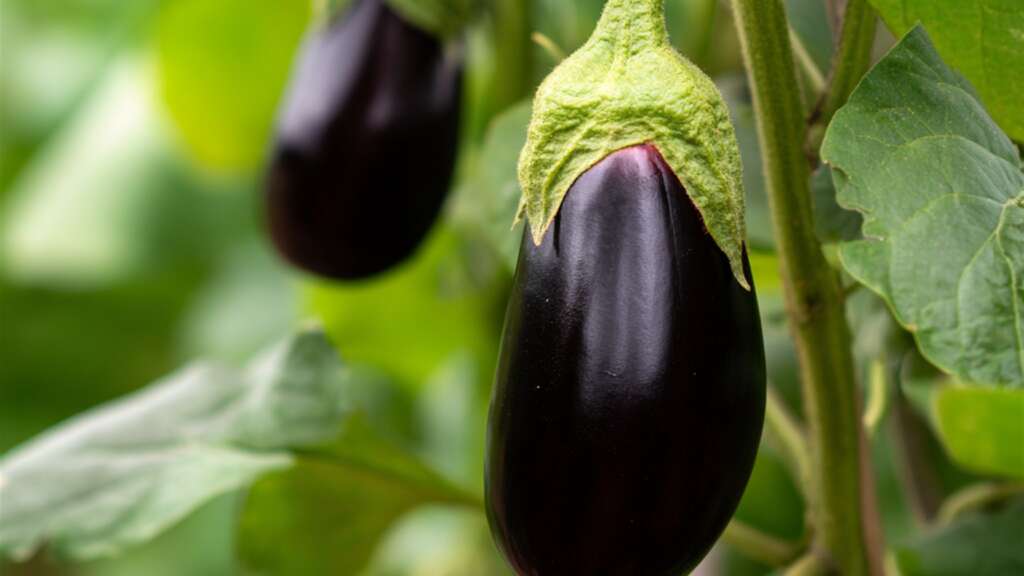
Black Beauty is a classic heirloom eggplant grown for large, glossy, deep purple-black fruit on compact, bushy plants. It is a warm-season vegetable that rewards an early indoor start, patient transplanting into warm soil, full sun, and steady moisture through fruiting. Treat it like a slightly more heat-loving cousin to your tomatoes and peppers, and it will reliably set heavy, oval fruit through summer.
Quick How-to
Start Black Beauty Eggplant seeds indoors about 8 to 10 weeks before your last expected spring frost. Sow about 1/4 inch deep in warm seed-starting mix, ideally around 75 to 85 F, and expect sprouts in roughly 7 to 14 days. Move seedlings under strong overhead light the moment they emerge so stems stay short and stocky. Harden off for a week or more, then transplant after frost danger has passed, nights are reliably mild, and soil has warmed. Space plants 18 to 24 inches apart in full sun, keep moisture steady, and harvest fruit while the skin is still glossy.
Quick Guide
| Fact | Recommendation |
|---|---|
| Best method | Start indoors and transplant; direct sow only in long, warm seasons |
| Sowing depth | About 1/4 inch |
| Germination temperature | Best around 75 to 85 F; steady warmth matters more than peak heat |
| Days to germination | About 7 to 14 days under warm conditions |
| Light for germination | Cover seed; provide strong overhead light immediately after sprouting |
| Indoor start timing | About 8 to 10 weeks before last expected spring frost |
| Spacing | About 18 to 24 inches between plants, 24 to 36 inches between rows |
| Sun | Full sun, ideally 8 or more hours |
| Water | Even moisture; avoid dry-wet swings once flowering begins |
| Days to harvest | About 70 to 85 days from transplanting |
| Mature plant size | Bushy, generally 24 to 36 inches tall; staking helps once fruit loads on |
Before You Sow
Eggplant is one of the slowest, warmth-hungriest crops in a home seed-starting setup. Counting backward from your last spring frost gives you the right indoor sowing window. The aim is a sturdy, well-rooted young plant that goes into warm soil ready to grow, not a tall, stretched seedling waiting in a tray.
Gather fresh seed-starting mix, clean cells or small pots with drainage, plant labels, and a way to provide gentle bottom heat. A seedling heat mat is genuinely useful here, because eggplant seed sitting in a 65 F room can be slow and uneven, while the same seed at 78 to 82 F often sprouts more reliably. Pre-moisten the mix so it feels like a wrung-out sponge before you fill cells.
Pick a location indoors that you can actually visit every day. Eggplant seedlings do not tolerate dried-out trays, and they punish weak light by stretching quickly.
Indoor Starting
Sow one or two Black Beauty seeds per cell, about 1/4 inch deep, then cover lightly with mix and press gently for soil contact. Water with a fine spray or from below so seeds are not washed sideways. Cover with a humidity dome if your room is dry, and place the tray on a heat mat set for steady warmth in the mid-70s to mid-80s F.
Check the tray daily. Most seeds will emerge in about a week to two, sometimes later if the mix runs cool. As soon as the first sprouts break the surface, take the dome off and move the tray under strong overhead light. A bright window alone is usually not enough; weak light is the single most common reason eggplant seedlings end up tall, pale, and floppy. Aim for about 14 to 16 hours of light per day with the bulbs only a few inches above the leaves, raising them as plants grow.
Keep the mix evenly moist but not soggy. Once seedlings have one or two sets of true leaves, thin to the strongest plant per cell by snipping the weaker one at the soil line. When roots fill the cell, pot up into a larger container so plants do not stall. Unlike tomatoes, eggplant generally should not be buried deeper when potted up; plant at the same depth and let the existing root system expand.
A diluted, balanced liquid feed every week or two after true leaves appear keeps young plants moving without pushing soft, leggy growth.
Direct Sowing
Direct sowing is realistic only in long, hot-summer climates where the soil reliably warms early and stays warm well into fall. In those conditions, wait until soil is at least 70 F at sowing depth, then plant 1/4 inch deep where plants will grow, water gently, and thin to final spacing once seedlings have a few true leaves. For most growers, indoor starting gives a much bigger head start and a more reliable harvest window.
Hardening Off and Transplanting
Eggplant is more cold-sensitive than tomatoes and noticeably more sensitive than peppers when transplanted into chilly soil. Harden seedlings off gradually over 7 to 10 days. Start with an hour or two in sheltered shade, then add sun, breeze, and time outdoors each day. Bring plants back in if a cold night threatens.
Transplant only after frost danger has clearly passed, nights are consistently mild, and soil has warmed at planting depth. A simple soil thermometer is worth using; cold soil is what stalls young eggplant. Some growers warm the bed for a week or two beforehand with black plastic or dark mulch in cool climates.
Set transplants at the same depth they grew in the cell, water in well, and add a stake or small cage at planting time. Roots are easier to disturb later, and a mature, fruit-loaded Black Beauty plant can lean or split branches without support. A light organic mulch applied after the soil is warm helps keep moisture and soil temperature steady.
Soil, Sun, and Water
Black Beauty wants full sun, fertile well-drained soil, and even moisture. Work compost into the bed before planting if the soil is lean, and check that drainage is good; eggplant resents wet feet. Slightly acidic to neutral soil generally works well for most home gardens.
Go easy on nitrogen once plants are in the ground. Heavy nitrogen produces lush leaves at the expense of flowers and fruit. A balanced feed at transplant and again when flowers begin is usually plenty. Water at the soil level when possible, aiming for steady moisture rather than alternating drought and flooding. Erratic watering is a common trigger for flower drop, misshapen fruit, and blossom end rot symptoms.
Eggplant genuinely loves warmth. If your summers are short or cool, planting against a south-facing wall, using dark mulch, or growing in dark-colored containers can add useful heat.
Container and Small-Space Notes
Black Beauty grows well in large containers when the soil volume is generous. Use a pot of at least 5 gallons, ideally larger, with strong drainage and a sturdy stake added at planting. Containers dry faster than garden beds, so check moisture daily once plants are loaded with leaves and fruit; a deep watering in the morning is usually better than frequent shallow sips. One plant per large pot is plenty.
Top Mistakes
- Starting indoors too late. Eggplant grows slowly through the seedling stage. A late start often leaves small plants when peak summer heat arrives, shortening the productive window.
- Rushing plants into cold soil. Eggplant looks fine but quietly stalls in chilly ground. Once stalled, plants take weeks to recover, which can cost the whole harvest in short-season areas.
- Weak overhead light after germination. Warm trays plus dim light produce tall, soft seedlings that struggle outdoors. Strong, close light from the moment sprouts appear keeps stems short and thick.
- Inconsistent watering through flowering. Dry-then-soaked cycles are a leading cause of dropped blossoms, misshapen fruit, and dark sunken patches on the blossom end.
- Harvesting too late. Eggplant left on the plant past its prime turns dull, develops hard seeds, and slows production of new flowers.
Troubleshooting by Symptom
| Symptom | Likely causes | What to do next |
|---|---|---|
| No sprouts after about 14 days | Mix too cold, surface dried out, or seed sown too deep | Hold the mix in the mid-70s to mid-80s F, keep moisture even, and resow shallowly if needed |
| Seedlings tall, pale, and floppy | Weak light after germination, too much warmth left on after sprouting, or crowded cells | Lower the lights to within a few inches of leaves, run them 14 to 16 hours, reduce bottom heat, and thin to one plant per cell |
| Seedlings collapse at the soil line | Overly wet mix, poor airflow, or damping-off conditions | Improve airflow, water from below more carefully, use fresh clean mix for any restarts, and avoid saturated trays |
| Purple leaf cast, slow growth after transplant | Cold soil, root chill, or transplant shock into a cool bed | Protect with row cover or cloches on cool nights, hold off feeding until plants resume active growth, and wait for soil warmth |
| Flowers form but drop without setting fruit | Cool nights, daytime heat extremes, drought stress, or excess nitrogen | Keep moisture steady, mulch to buffer soil temperature, ease off high-nitrogen feeds, and wait for stable weather |
| Many small holes shot through young leaves | Flea beetles, which are a common eggplant pest, especially early in the season | Use floating row cover until plants are established and flowering, keep plants vigorous, and check local extension guidance for your region |
| Dark, sunken patch on the blossom end of fruit | Uneven moisture interfering with calcium uptake; heat and dry-wet swings worsen it | Mulch to even out soil moisture, water deeply and consistently, and avoid damaging shallow roots when weeding |
| Fruit is dull, spongy, or full of hard seeds | Picked past its prime; left too long on the plant | Harvest younger and more often; glossy, firm fruit with soft, light-colored interior seeds is the target |
| Curled or misshapen fruit | Pollination stress from heat or cool weather, or crowded growth | Keep plants well-spaced, water evenly, and accept some misshapen early fruit while weather settles |
Harvest and Kitchen Use
Pick Black Beauty fruit while the skin is still smooth, taut, and high-gloss. A useful test is the press test: lightly press the skin with a thumb and release. If the dent springs back quickly, the fruit is at a good eating stage. If the dent stays, the fruit is overripe, and the seeds inside are likely hardening.
Use sharp pruners or a small knife to cut fruit free, leaving a short piece of stem attached to the cap. Do not twist or yank; eggplant stems are tough and brittle, and a torn branch is an easy way to lose part of the plant. Frequent picking keeps plants setting new flowers through the season. Black Beauty fruit holds well for several days in a cool spot, though it prefers cool room temperature over deep refrigeration for short-term storage.
In the kitchen, Black Beauty is the classic eggplant for parmesan-style dishes, grilled slabs, ratatouille, baba ganoush, and roasted halves stuffed with grain and vegetable fillings.
Seed Saving
Black Beauty is an open-pollinated heirloom, which means saved seed from a true Black Beauty plant can grow out close to type if isolated from other eggplant varieties. Eggplant flowers can be visited by bees and will cross with other Solanum melongena varieties grown nearby, so for clean seed, grow only one variety or use distance and timing isolation.
Let chosen fruits ripen well past eating stage on the plant until the skin turns dull and yellow-brown. Scoop or grate the seedy flesh into water, work the seeds free, and skim off floating pulp and hollow seeds. Rinse the heavy, filled seeds clean, spread them in a single layer on a plate or screen, and dry thoroughly in a warm, well-ventilated spot away from direct sun. Label with the variety name and the year before storing.
Storing Leftover Seed
Keep unused Black Beauty Eggplant seed in its labeled packet inside a sealed container in a cool, dry, dark indoor location. Avoid garages, sheds, greenhouses, and sunny windowsills, where temperature and humidity swing sharply. Label home-saved seed with the variety and harvest year before storing it.
FAQ
Can I direct sow Black Beauty Eggplant outdoors?
Direct sowing can work in long, hot-summer climates where soil warms early and stays warm into fall. In most home gardens, indoor starting 8 to 10 weeks before last frost gives a much more reliable harvest because Black Beauty needs a long warm runway from sprout to ripe fruit.
Why are my eggplant flowers dropping without setting fruit?
The usual causes are cool nights, sudden heat spikes, drought stress, or too much nitrogen pushing leafy growth. Keep moisture steady, mulch once the soil is warm, ease off high-nitrogen feeds, and give plants a little time once temperatures settle.
When is Black Beauty Eggplant ready to pick?
Pick when fruit is full-sized for its strain, deep glossy purple-black, and still firm with a slight spring when lightly pressed. If the skin looks dull or the dent stays after pressing, harvest sooner next time; flavor and texture are best when fruit is young.
Does Black Beauty Eggplant need staking?
A simple stake or small cage helps once fruit starts loading on. The plant itself is bushy and fairly compact, but heavy fruit can lean or split a branch in wind. Adding support at transplant time avoids root disturbance later.
My seedlings are tall and thin already. What now?
Lower the grow lights to within a few inches of the leaves, run them about 14 to 16 hours a day, and ease back on bottom heat. When you pot up, handle stems gently, support them with mix, and try to keep new growth short and stocky from that point forward.