
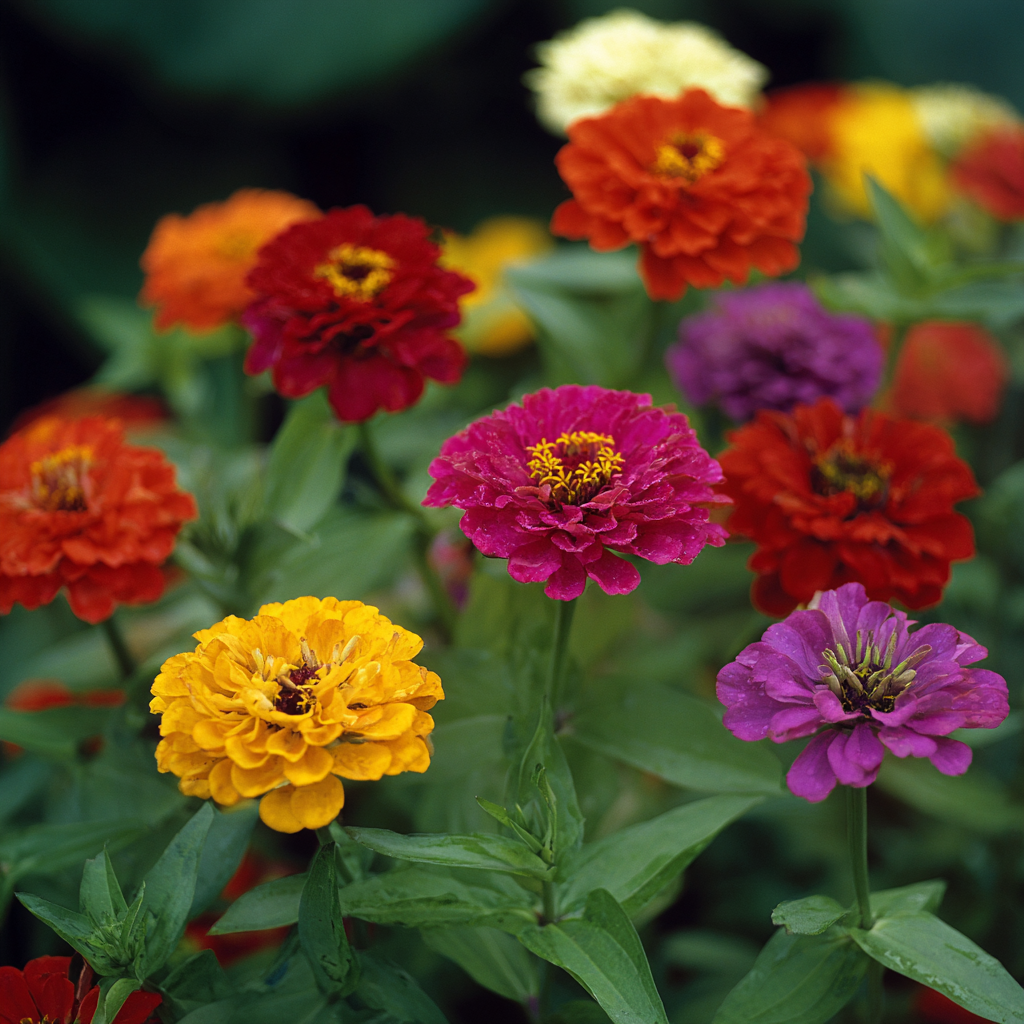
Lilliput Zinnia Mix is a warm-season annual flower grown for small, tightly rounded pompon blooms on bushy, well-branched plants. The Lilliput strain of Zinnia elegans is prized for its compact habit, mixed colors, and almost nonstop summer flowering when picked regularly. It is one of the easier zinnia types for beginners because the plants stay manageable, branch heavily on their own, and reward you for cutting.
Quick How-to
Wait until after your last spring frost and the soil has clearly warmed before sowing Lilliput Zinnia outdoors. Plant seed about 1/4 inch deep, keep the surface evenly moist, and look for sprouts in roughly 5 to 10 days at soil temperatures around 70 to 80 F. Thin or space plants 9 to 12 inches apart in full sun, water at the base of the plant, and start cutting or pinching early to encourage strong branching. With steady warmth and regular harvest, Lilliput Zinnia blooms from early summer through the first hard frost.
Quick Guide
| Fact | Recommendation |
|---|---|
| Best method | Direct sow after frost; a short indoor start is optional |
| Sowing depth | About 1/4 inch, lightly covered |
| Germination temperature | About 70 to 80 F soil; zinnias dislike cold ground |
| Days to germination | Often 5 to 10 days when soil is warm |
| Light for germination | Cover lightly; bright light needed immediately after sprouting |
| Spacing | About 9 to 12 inches apart for airflow and branching |
| Sun | Full sun, ideally 6 or more hours of direct light |
| Water | Moderate, even moisture; water at soil level, not overhead |
| Bloom timing | Usually about 70 to 80 days from sowing, then continuous with regular cutting |
| Plant size | Semi-dwarf, bushy plants typically about 18 to 24 inches tall |
Before You Sow
Zinnias are tropical-origin annuals, so the single biggest factor in success is warmth. Cold spring soil produces slow, uneven stands and weak seedlings. Check the seed zone with a soil thermometer; if it is still below about 65 F, give the bed another week or two of sun before planting.
Choose a sunny bed with good drainage and steady airflow. Lilliput Zinnia handles ordinary garden soil and does not need rich feeding to perform. Working a thin layer of compost into the top few inches before planting is enough; heavy nitrogen tends to push soft, leafy growth that mildews more easily and produces fewer blooms. Rake the surface smooth, break up any clods, and water the bed lightly before sowing so the seed sits in firm contact with moist soil instead of dry powder.
If you garden in a tight space, container, or raised bed, plan the spacing now rather than after seedlings emerge. Crowding is the single most common cause of disappointment with zinnias, and Lilliput plants branch enough that they fill 9 to 12 inches more quickly than many gardeners expect.
Direct Sowing
Direct sowing into warm soil is the most natural method for Lilliput Zinnia. Place seeds about 1/4 inch deep, cover lightly with fine soil, and press gently for good seed-to-soil contact. Water with a soft spray so the seed is not washed into low spots or buried too deep by surface runoff.
Keep the top layer evenly moist until the seedlings emerge. Once you see true leaves, shift to deeper, less frequent watering so roots reach down. Thin to the recommended spacing while plants are still young; pulling stems from a tight clump later disturbs neighbors and sets back the row. If you are nervous about thinning, snip extras at the soil line with scissors rather than tugging them out.
A second sowing two to three weeks after the first stretches the flower season, especially in mild summer climates. Both rows will catch up to one another quickly once the heat settles in.
Indoor Starting
Indoor starting is optional and best kept short. Sow about 3 to 4 weeks before your target transplant date, using clean cells, fresh seed-starting mix, and a label with the variety and date. Cover seed about 1/4 inch deep, water gently, and keep the mix warm and evenly moist until sprouts appear. A heat mat helps with even germination but should be removed once seedlings are up so they do not stretch.
Give seedlings strong overhead light as soon as they emerge. A bright windowsill alone is rarely enough; weak light is the most common reason indoor zinnia seedlings turn tall, pale, and floppy. Aim for 12 to 16 hours of light per day from a grow light kept just above the foliage.
Zinnias do not love being root-bound, and disturbed roots can set transplants back. Move plants out before they outgrow their cells, and water the cells well an hour before transplanting so the root ball slides out intact.
Hardening Off and Transplanting
Harden off seedlings over 7 to 10 days before planting them in the garden. Begin with an hour or two of filtered outdoor light in a sheltered spot, then add time, sun, and breeze each day. Skipping this step is a common reason indoor-started zinnias stall after transplant.
Transplant only after frost danger has passed and nighttime air is mild. Cool soil holds zinnias back even when the days feel warm, so a few extra days of patience often pays off. Set plants at the same depth they grew in their cells; unlike tomatoes, zinnias do not benefit from being buried deeper, and stems planted too low can rot at the soil line.
Water in well after transplanting, then keep soil consistently moist for the first week while roots reach into the surrounding bed.
Soil, Sun, and Water
Full sun gives Lilliput Zinnia the strongest stems, the most blooms, and the best disease resistance. Some afternoon relief is acceptable in hot southern gardens, but more than a few hours of shade usually means stretched plants and disappointing flowering.
Soil should drain freely. Heavy clay that holds water encourages root problems; sandy soil benefits from a little compost to hold moisture between waterings. Once plants are established, water deeply and less often rather than splashing the leaves daily. Watering at the soil level, ideally in the morning, helps foliage dry quickly and reduces mildew pressure.
Feed lightly if at all. A balanced fertilizer at half strength once a month is plenty; too much nitrogen produces leafy plants with few flowers and softer tissue that mildews more easily.
Pinching, Cutting, and Branching
Lilliput Zinnia branches naturally, but a single early pinch can dramatically improve the harvest. When plants are 6 to 8 inches tall with several sets of true leaves, snip the main stem just above a leaf pair. The plant responds by sending out multiple side stems instead of one tall central one, which means more flowers on longer, more useful stems.
After that, treat every cut as a chance to shape the plant. Cut flowers and deadheads above a leaf node where you can see small side shoots forming; those shoots become the next round of bloom-bearing stems. The more often you cut, the more the plant produces.
Top Mistakes
- Sowing into cold soil. Lilliput Zinnia is a warm-season flower and stalls badly in cool ground. Wait for soil around 70 F, even if the calendar says spring.
- Crowding the row. Tight spacing reduces airflow, traps humidity around leaves, and invites powdery mildew. Thin early to 9 to 12 inches even when the seedlings look small.
- Overhead and evening watering. Wet leaves at night are an open invitation to fungal disease. Water at the soil level in the morning whenever possible.
- Skipping the first cut or pinch. Without an early pinch or harvest, plants tend toward one taller main stem instead of many side branches. Pinching is the simplest way to multiply blooms.
- Heavy nitrogen feeding. Too much nitrogen produces lush leaves and few flowers, and softer tissue mildews faster. Feed lightly and rely on sun and airflow instead.
Troubleshooting by Symptom
| Symptom | Likely causes | What to do next |
|---|---|---|
| No sprouts after 10 to 14 days | Soil still too cool, seed buried too deep, surface crusted dry, or saturated mix indoors | Confirm warm soil, resow at about 1/4 inch, and keep the surface evenly moist; consider a brief indoor start if outdoor temperatures are uncooperative |
| Patchy stand with some bare gaps | Uneven watering, seed washed by hard spray, or cold pockets in the bed | Smooth the bed before sowing, water gently with a fine spray, and resow gaps as soon as you spot them |
| Seedlings tall, thin, and pale | Weak light indoors, lingering heat mat, or crowded cells | Move grow lights closer, drop the heat once sprouted, and thin to one seedling per cell |
| Seedlings collapse at the soil line | Damping-off from cold, wet, poorly ventilated mix | Improve airflow, water less often, use fresh seed-starting mix for any restarts, and let the surface dry slightly between waterings |
| White powdery film on leaves | Powdery mildew, common in humid late summer | Improve spacing, water at the base early in the day, remove the worst-affected lower leaves, and accept that late-season foliage may look tired even when blooms continue |
| Lower leaves browning with leaf spots | Bacterial or fungal leaf spot from splashing water and crowding | Stop overhead watering, prune off heavily spotted leaves, and improve airflow between plants |
| Plants tall and leggy with few flowers | Not enough sun, no early pinch, or too much nitrogen | Grow in full sun, pinch when young, and reduce feeding |
| Buds form but flowers stay small or distorted | Heat stress, drought stress, or aphid feeding on the buds | Keep moisture even during heat waves, mulch lightly once soil is warm, and check buds for clusters of small insects |
| Plants stop blooming midsummer | Spent flowers left on the plant or irregular cutting | Deadhead and cut more often; Lilliput Zinnia rewards steady harvest |
Bloom Care and Cut-Flower Use
For arrangements, cut Lilliput Zinnia when the bloom is mostly open and the stem feels firm just below the flower. A simple test is the “wiggle test”: gently shake the stem about 8 inches below the flower; if the head flops, the stem is not ready, but if it stays upright, it will hold up in a vase. Strip the lower leaves before placing stems in clean water.
In the garden, regular deadheading is what keeps Lilliput plants flowering all the way to frost. Each spent flower left in place tells the plant that its job is finished; each cut tells it to push out more buds. If you fall behind, a hard tidy-up cut that removes old blooms and any tired foliage often resets the plant within a week or two.
Seed Saving
Lilliput Zinnia Mix is exactly that, a mix, so seed saved from a planting will not necessarily produce the same balance of colors and forms in the next generation. Bees move pollen between zinnia varieties readily, so if you grow other zinnias nearby, expect surprises in the next year’s flowers.
If you want to try saving seed anyway, let selected flower heads mature fully on the plant until the petals dry and the head feels papery and brown. Collect on a dry day, finish drying the heads indoors on a screen or paper for another week, then rub the seed loose and separate it from the chaff. Label what you keep with the variety and year and store it in a cool, dry place. For most home gardeners, starting each season with a named commercial mix is the simpler path to a predictable bed.
Storing Leftover Seed
Keep unused Lilliput Zinnia Mix seed in its labeled packet inside a sealed container in a cool, dry, dark indoor location. Avoid garages, sheds, greenhouses, and sunny windowsills, where temperature and humidity swing sharply. Label home-saved seed with the variety and harvest year before storing it.
FAQ
Are Lilliput Zinnias good cut flowers?
Yes. The small, tightly rounded blooms are sturdy, last well in a vase, and mix beautifully with both larger zinnia types and other summer cuts. Their compact stems suit jars, posies, and mixed bouquets especially well.
Should I pinch Lilliput Zinnia?
Pinching is optional but strongly recommended. One early pinch above a leaf pair when plants are 6 to 8 inches tall encourages branching and produces noticeably more flowers on more useful stems over the season.
Can I direct sow Lilliput Zinnia, or is indoor starting better?
Direct sowing into warm soil is simple, reliable, and usually the easier method for home gardens. Indoor starting is helpful in short-season climates or when you want a small, placed planting, but keep the indoor stretch short to avoid rootbound seedlings.
Why do my zinnia leaves get powdery mildew every year?
Mildew thrives on crowded plants, damp foliage, and humid late summers. Wider spacing, morning watering at the soil level, and removing the worst lower foliage all help. Some mildew on late-season leaves is normal; healthy plants usually keep blooming despite it.
Do Lilliput Zinnias work in containers?
Yes. Their compact, bushy habit suits containers better than tall cut-flower zinnias. Use a sunny spot, a pot with drainage, fresh potting mix, and give each plant enough room for airflow rather than packing several into a single pot.