
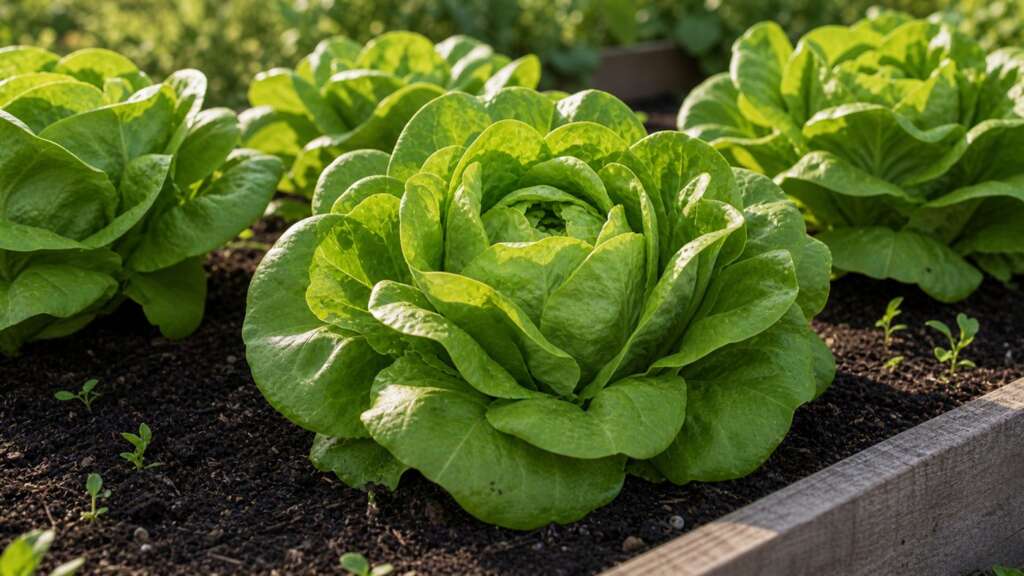
Buttercrunch is a butterhead-type lettuce grown for its loose, tender heads and the soft, almost buttery texture of the inner leaves. It is a cool-season crop that performs best when sown shallowly in mild weather, kept evenly moist, and harvested before summer heat pushes the plant to bolt. Beginners often have a good first experience with Buttercrunch because the seed sprouts quickly, the plants are forgiving of light shade, and there are useful leaves to pick long before a full head forms.
Quick How-to
Sow Buttercrunch lettuce in cool weather, either in early spring as soon as the soil can be worked or in late summer for a fall crop. Surface sow or cover seed very lightly, about 1/8 inch deep, and keep the surface evenly moist. Expect germination in roughly 7 to 14 days, faster when soil sits in the mid 60s F. Thin seedlings to about 6 to 10 inches apart for tender heads, give the plants steady moisture, and harvest before hot weather changes the flavor.
Quick Guide
| Fact | Recommendation |
|---|---|
| Best method | Direct sow in cool weather; indoor starting works well for transplants |
| Sowing depth | Surface sow or cover very lightly, about 1/8 inch |
| Germination temperature | Best around 60 to 70 F; germination slows or stalls above the high 70s |
| Days to germination | About 7 to 14 days; faster in optimal conditions |
| Light for germination | Lettuce seed often benefits from light; cover only thinly |
| Spacing | Thin to about 6 to 10 inches apart for butterhead heads |
| Sun | Full sun in cool weather; afternoon shade as the season warms |
| Water | Even, steady moisture; avoid drought and crusted soil |
| Harvest | Baby leaves in about 25 to 35 days; full heads around 55 to 65 days |
| Plant size | Loose, open butterhead form, more compact than romaine or crisphead types |
Before You Sow
Buttercrunch is quick and responsive, which is part of what makes it a friendly first lettuce. The trade-off is that the seed is small, the seedlings are delicate at first, and hot weather changes everything. Cool soil, shallow sowing, and gentle watering produce a clean stand far more reliably than rich amendments or special techniques.
Choose a sunny bed for spring and fall, or a spot with afternoon shade if you are pushing into warmer weather. Buttercrunch tolerates a wide range of soils but prefers a fertile, well-drained bed that holds even moisture. Loosen the top inch of soil, rake out clumps and stones, and smooth the surface so tiny seed sits at a consistent depth. Watering the bed lightly before sowing helps the seed stay where you place it instead of washing into pockets.
If you are sowing into a container, choose a pot at least 6 to 8 inches deep with drainage holes and use a light potting or seed-starting mix. Label rows or pots at the time you sow; young Buttercrunch seedlings can look similar to other lettuces or even some weeds in the first week.
Direct Sowing
Direct sowing is the most natural way to grow Buttercrunch because the plant establishes quickly when the soil is cool. Scatter seed thinly in rows or short blocks, or place seeds about an inch apart if you want to thin less later. Cover with no more than 1/8 inch of fine soil or seed-starting mix, then press gently for good seed-to-soil contact. Water with a fine spray or rose nozzle so the surface is moistened evenly without floating the seed.
Keep the top layer consistently damp until you see green sprouts. If a dry crust forms, very small seedlings can fail even when the seed underneath has started to grow. A thin scattering of vermiculite or sifted compost on top can help hold moisture without burying the seed.
Thin in two passes. Once true leaves appear, thin to about 3 inches apart. As leaves begin to touch, thin again to about 6 to 10 inches for butterhead heads, and eat the thinnings as baby greens. Crowded plants stay smaller, develop weaker stems, and bolt sooner when stressed.
Indoor Starting
Indoor starting is a good option when spring is unpredictable or you want a small number of placed transplants. Sow about 3 to 5 weeks before your intended transplant date. Use shallow cells, cover seed only lightly, and keep the mix evenly moist but not saturated.
Provide strong overhead light as soon as sprouts appear. A bright windowsill is often not enough for lettuce; weak light is the main reason indoor seedlings become tall and pale. Keep seedlings cool and bright rather than warm and shaded. Buttercrunch transplants do not benefit from sitting in cells for weeks, so harden off and move them out before roots wrap the bottom of the cell.
Hardening Off and Transplanting
Harden off seedlings over about 5 to 7 days. Start with a sheltered, shaded spot and short outdoor visits, then slowly increase sun and time outside. Transplant on a mild, cloudy day or in the evening to reduce wilting. Set the plants slightly deeper than they grew in the cell, but keep the growing center above the soil line so it does not rot. Water in well and check the bed daily for the first week.
Soil, Sun, and Water
Buttercrunch likes fertile, loose soil with steady moisture. Compost worked into the bed before planting usually supplies enough fertility. Avoid heavy nitrogen pushes once heads start to fill out; soft, sappy leaves are more prone to pests and to splitting in heat.
Full sun gives the strongest growth during cool spring and fall weather. As temperatures climb, afternoon shade from taller crops, a shade cloth panel, or even the east side of a fence can extend the season noticeably. Water deeply and evenly. Lettuce roots stay relatively shallow, so the bed needs more frequent attention than tomatoes or peppers. A thin mulch of straw or shredded leaves, applied after the plants are established, helps hold moisture and keeps soil temperatures more even.
Top Mistakes
- Burying the seed too deep: Buttercrunch seed should sit at or just below the surface. Even a thin extra layer of soil can delay or prevent germination.
- Sowing into heat: Once soil temperatures stay above the high 70s F, germination drops sharply and seedlings that do come up are more likely to bolt. Sow in the cool windows of spring and fall.
- Letting the surface dry between waterings: A dried, crusted surface can lock seedlings underground. Keep the seed zone evenly moist until plants are clearly established.
- Skipping thinning: Crowded butterhead lettuce produces small, leafy, loose plants rather than the soft folded heads the variety is grown for. Thin early and eat the thinnings.
- Waiting too long to harvest: Heads left past their prime often turn bitter, especially as days warm. Pick at peak tenderness rather than maximum size.
Troubleshooting by Symptom
| Symptom | Likely causes | What to do next |
|---|---|---|
| No sprouts after 10 to 14 days | Seed buried too deep, soil too warm, or surface dried and crusted | Resow shallowly, water gently to keep the surface moist, and shift timing into a cooler window |
| Patchy germination | Uneven depth, seed washed into low spots, or cloddy soil | Smooth the bed before sowing, water with a gentle spray, and cover seed with a thin, even layer |
| Seedlings are tall and pale | Weak light, indoor warmth, or crowded trays | Move lights closer, drop indoor temperature, thin promptly, and reduce extra heat after germination |
| Seedlings collapse at the soil line | Overly wet mix, poor airflow, or damping-off conditions | Improve airflow, water less often, use fresh seed-starting mix for indoor sowings, and avoid saturated trays |
| Leaves taste bitter | Heat stress, drought, or plants left past prime | Harvest earlier, water more evenly, and shift sowings to cool weather |
| Plants bolt and send up a stalk | Long days, heat, or stress from drying out | Use succession sowings, provide afternoon shade in warm spells, and harvest at the first sign of bolting |
| Heads stay small or loose | Crowding, inconsistent moisture, or low fertility | Thin to recommended spacing, water steadily, and side-dress with a light compost feeding if soil is poor |
| Outer leaves rot at the base | Soil splashed into the crown, mulch piled against the stem, or sitting water | Pull mulch back from the crown, water at soil level, and improve drainage where possible |
Germination Diagnostics
If a sowing is slow or uneven, work through the seed environment in order before resowing the whole bed. First check depth. Lettuce seed left at or just below the surface usually emerges within a couple of weeks; seed buried under half an inch of soil may never make it up. Next check temperature. Buttercrunch likes cool to mild conditions; soil above the high 70s F can put seed into a heat-induced rest that is easy to mistake for failed germination.
Moisture is the next checkpoint. The seed zone should feel evenly damp, like a wrung-out sponge, not glossy wet and not dusty dry. A light second watering during the day, especially in dry weather, can be the difference between a clean stand and a patchy one. Finally, look at light and airflow after emergence. Seedlings that sprout well but then stretch, pale, or fold over usually need stronger light, more airflow, less crowding, or a slightly drier surface between waterings.
Timing and Climate Notes
Treat Buttercrunch as a cool-window crop. In most regions, the best sowings fall in early spring once the soil can be worked, and again in late summer once the worst of the heat has broken so plants can mature into fall. In mild-winter areas, fall and winter sowings often outperform spring because the plants can grow steadily without a race against rising temperatures.
If you want to extend the season, sow small successions every 10 to 14 days rather than one large planting. Mid-season sowings into hot weather usually struggle, so it is often better to skip a month than to fight the bed. Light shade cloth, planting on the east side of taller crops, or moving containers into morning sun and afternoon shade can buy extra weeks at either end of summer.
Container and Small-Space Notes
Buttercrunch adapts well to containers, raised beds, and even shallow hydroponic setups, which is part of why it shows up in so many small-space garden plans. Use a container at least 6 to 8 inches deep with drainage holes, fill with a light potting mix, and plan on watering more often than you would for in-ground plants. Small pots heat up and dry out quickly, so check moisture daily once plants size up. A self-watering planter or a deeper pot can reduce wilting cycles, which keeps leaves tender and slows bolting.
Hydroponic Growing
Buttercrunch is well suited to small hydroponic systems because lettuce has a short crop cycle and a relatively compact root system. Deep-water culture, nutrient-film technique, and flood-and-drain systems can all work. Start seed in a clean inert plug that stays damp but not submerged. Move the plug into the growing site after roots reach the outside and the seedling has begun making true leaves. Keep the crown above the solution or channel so the stem is not constantly wet.
For Buttercrunch, a practical nutrient target is an electrical conductivity (EC) of about 1.2 to 1.8 mS/cm and pH of 6.0 to 7.0. Check both at the same time each day, then adjust EC before pH. Use a complete hydroponic fertilizer intended for leafy greens rather than mixing ordinary garden fertilizer into the reservoir. Top up water as plants drink, and replace the nutrient solution on a regular schedule instead of repeatedly adding concentrate to an old solution.
Keep the root zone well oxygenated and out of direct light. Healthy roots are pale and smell fresh. Tan, slimy roots, stalled growth, or a sour reservoir odor point to warm solution, low oxygen, light entering the tank, or poor sanitation. Buttercrunch prefers cool conditions, so keep the nutrient solution in the 60s to low 70s F when possible and protect the reservoir from sun. Warm water holds less oxygen and also pushes the plant toward bolting.
Give seedlings strong, even light and gentle airflow. Space plants far enough apart that mature leaves do not form a damp, crowded canopy. If inner leaf margins turn brown while growth is otherwise fast, the plant may be developing tipburn from poor calcium movement rather than a lack of calcium in the reservoir. Improve airflow, lower heat, avoid excessive EC, and slow overly rapid growth before adding more fertilizer.
Harvest and Kitchen Use
Buttercrunch can be harvested two ways. For ongoing baby leaves, snip outer leaves about an inch above the crown and let the center keep growing. For full heads, cut the whole plant just above the soil line once the head feels softly filled but the leaves are still tender. Morning harvests, before the sun warms the leaves, hold their crispness longer in the refrigerator. Rinse, dry, and store loosely wrapped in a towel inside a sealed bag or container; well-handled Buttercrunch keeps for several days.
In the kitchen, the soft inner leaves are well suited to wraps and salads where a tender, slightly sweet leaf is the point. They bruise more easily than romaine, so dress just before serving.
Seed Saving
Lettuce is mostly self-pollinating, with a low rate of crossing between varieties, so saving relatively true seed at home is realistic if only one variety is flowering at a time. Allow a few healthy plants to bolt, flower, and form fluffy seed heads. Wait until most of the heads have dried on the plant, then cut, finish drying indoors, and rub the seed free of chaff. Label with the variety and year before storage.
Storing Leftover Seed
Keep unused Buttercrunch Lettuce seed in its labeled packet inside a sealed container in a cool, dry, dark indoor location. Avoid garages, sheds, greenhouses, and sunny windowsills, where temperature and humidity swing sharply. Label home-saved seed with the variety and harvest year before storing it.
FAQ
Why did my Buttercrunch lettuce fail in summer?
Heat is the most common cause. Lettuce seed often refuses to germinate when soil sits above the high 70s F, and established plants respond to heat and long days by bolting or turning bitter. Shift sowings into spring and fall, or use shade and steady moisture to push a little further into warm weather.
Can I grow Buttercrunch in containers or indoors?
Yes. Containers and small raised beds work well as long as the pot is deep enough to hold moisture and you water consistently. Indoors, Buttercrunch needs strong overhead light to stay compact and form proper heads, so a sunny window alone usually is not enough.
Should I thin Buttercrunch seedlings?
Yes. Thin in stages so the remaining plants have light and airflow. Eat the thinnings as baby greens. Skipping this step is the most common reason heads stay small and loose.
Can I harvest baby leaves instead of waiting for heads?
Yes. Snip outer leaves about an inch above the crown and the plant will keep producing for several rounds, especially in cool weather. This is a useful way to spread out the harvest and to enjoy lettuce while heads are still forming.
Does Buttercrunch need to be started indoors?
No. Direct sowing is the most common approach. Indoor starting is useful for getting a head start in cold-spring regions or for placing a small number of transplants exactly where you want them.